There are over 6,000 cultivated grape varieties of Vitis Vinifera grown across the world - yet even the most well-versed wine consumers can only recall around 20 by name.
I’ve always been drawn to lesser-known grape varieties. The more obscure they are, the more likely they are to offer better value than their more popular cousins, with the added bonus of a an interesting flavour profile that usually embodies a true sense of place.
And as we enter an age of more considered wine consumption, today’s wine drinkers are showing more interest in these varieties too.
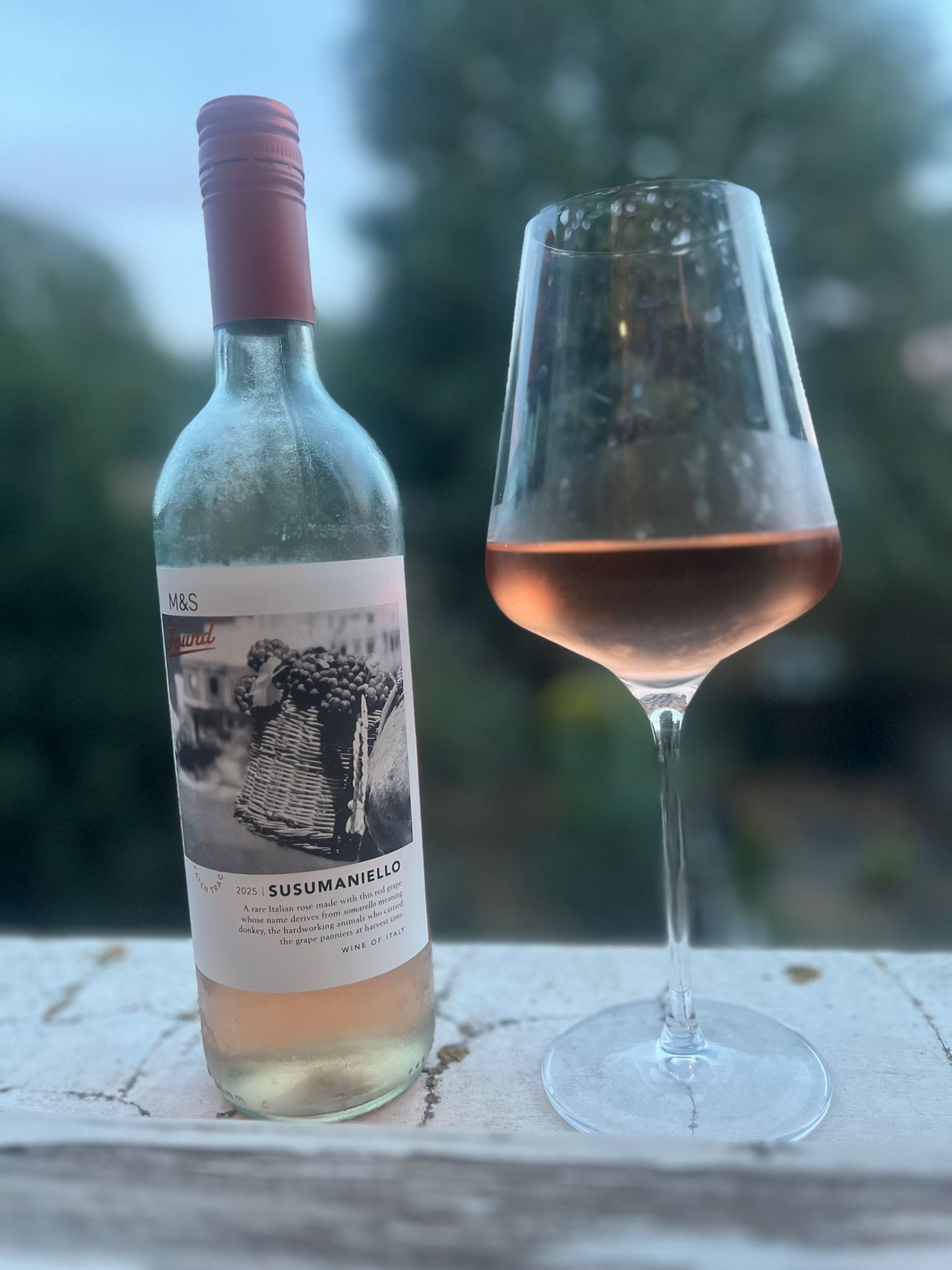
Seeking out unknown grape varieties – I recently discovered this little beauty on a trip to Puglia via the wonderful M&S ‘Found’ range… Susumaniello.
So, where are we?
Said to come from the heel of Italy, in the Brindisi area of northern Salento in Puglia, Susumaniello has deep roots (mind the pun) to its terroir.
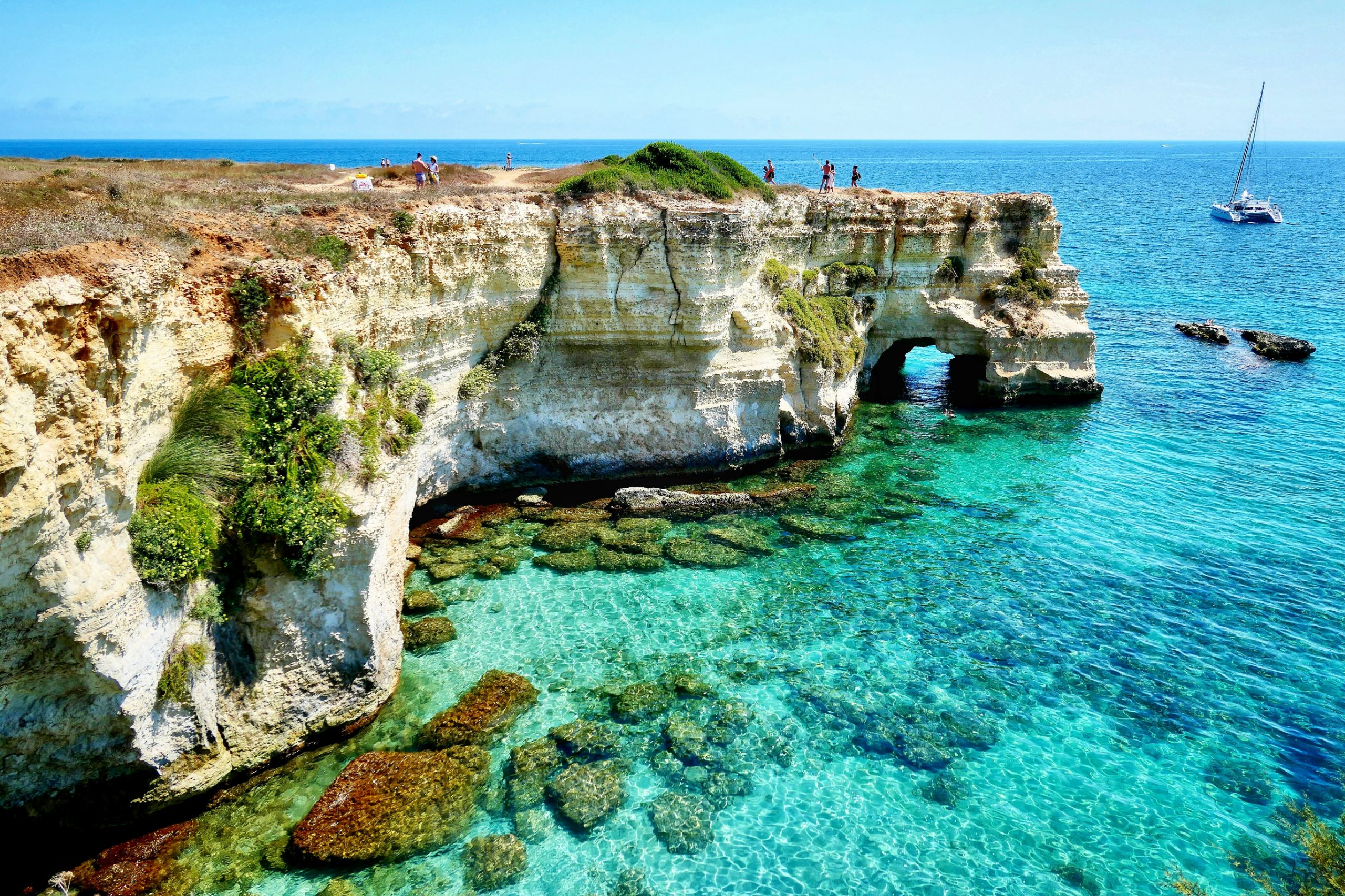
Ah, Puglia – I was fortunate to work for a wonderful hotel group many years ago that had a few hotels in this wonderful southern region of Italy. With a coastline nearly always in sight – the breezes come cool, scented with salt and offer a much-needed respite to the Mediterranean heat.
When you can’t see olive groves, it’s because of vines, knotted and gnarled and usually low, zig-zagging across the parched soil.
Susumaniello is a recent phenomenon, having nearly been wiped out in the mid-1900s. Previously used as a blending grape, its yield declines considerably as the vines age which was a no-no in the mass production era of Puglia back then. Today with a growing focus on quality and climate-resilient, native varieties, it was in the early 2000s that Susumaniello was brought back to life via experimental winemakers in the region. Today it stands on its own as a co-star to the leading actors of the region – Primitivo and Negroamaro.
For the soil nerds, limestone is common here, a saviour in the arid climate of Puglia with its sponge-like quality, giving a subtle salinity and freshness to the wines. This combined with high iron oxide terra rossa soil (which Primitivo thrives on) and sandy soils along the coast, both contribute to the high concentration of fruit and flavours which are stylistically authentic to Puglia.
Future-proofing the region with its resilience against climate change, key DOCs for Susumaniello are Brindisi DOC, Ostuni DOC and in some Puglia/Salento IGT wines.
A bit about Susumaniello
Thought to be the love child of Garganega (Soave), and the lesser known red table grape Uva Sogra, it’s also said to be an off-spring of Sangiovese (unsurprisingly, as this ‘casanova’ grape is a parent of several southern Italian varieties).
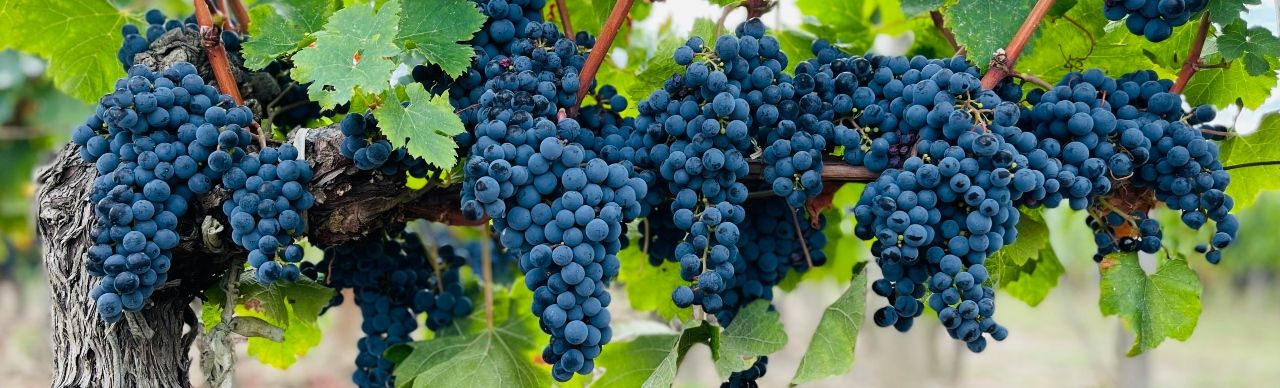
A black grape, Susumaniello is actually more akin to a Pinot Noir than its punchy red wine regional cousins.
Made in a variety of styles, from medium-bodied reds and chillable lighter reds to textured rosés and sparkling (via the traditional method), the grape takes especially well to being pink, its intensely coloured skins only require a short maceration to create a wonderful hue, texture and roundness, combined with its characteristic fresh acidity. Oak is not widely used, however when it is, it’s more for structure, and to add vanilla and spice notes - the grape, with its high tannins and acidity, is great for long ageing too resulting in hints of leather and tobacco in the wines.
I love the fact that Susumaniello can produce sparkling wines, showing its diversity and its naturally fresh acidity.
Fun fact….
The name Susumaniello is said by some to come from the local word for a Donkey, “Somarello.” Being vigorous, especially when young, the vines carry a heavy load like a Donkey. Others say it relates to stubbornness - traditionally-made Susumaniello reds are very tannic and take time to soften. This may all be a bit tongue-in-cheek though as yields actually drop significantly as Susumaniello vines age – not burdening such a heavy load after all – but creating better quality, more concentrated fruit as a consequence.
The Taste Test
Considering the heat of Puglia, ‘jammy’ tends to be the tasting note for most reds from this region, yet Susumaniello is one that goes against the grain with its surprising elegance and lightness, lower ABV and fresh acidity.
Tasting M&S’ Susumaniello (from the 2025 vintage I am assuming) vai its ‘Found’ range, my notes went from floral rose on the nose to blood orange, pink peach and tart raspberries, with just a hint of blackberries on the palate, with a fresh, almost savoury lift on the finish. A very pretty, textured rosé that became a staple of evenings in the garden this summer. Fun to bring out a pink wine that (most) people have never heard of too, plus it goes with so many dishes –
Where to find Susumaniello in the UK?
My favourite inexpensive source for lesser-known varieties is the brilliant range of ‘Found’ wines from M&S…. at around £9-10 per bottle you can travel around the world a few times without feeling too much of a pinch on the wallet.
M&S Found Susumaniello Rosé | M&S
Susumaniello has become a bit of a rosé darling of the supermarket rare find wines – from Sainsbury’s Taste the Difference Discovery range, to Waitrose’s Love & Found range, you can find it at a great price relatively easily these days.
A good quality yet inexpensive still red Susumaniello can be found at the Wine Society - Susumaniello Salento Rosso, Vallone 2024
Susumaniello Salento Rosso, Vallone 2024
And Laithwaites - Pillastro Susumaniello 2024 Pillastro Susumaniello 2024