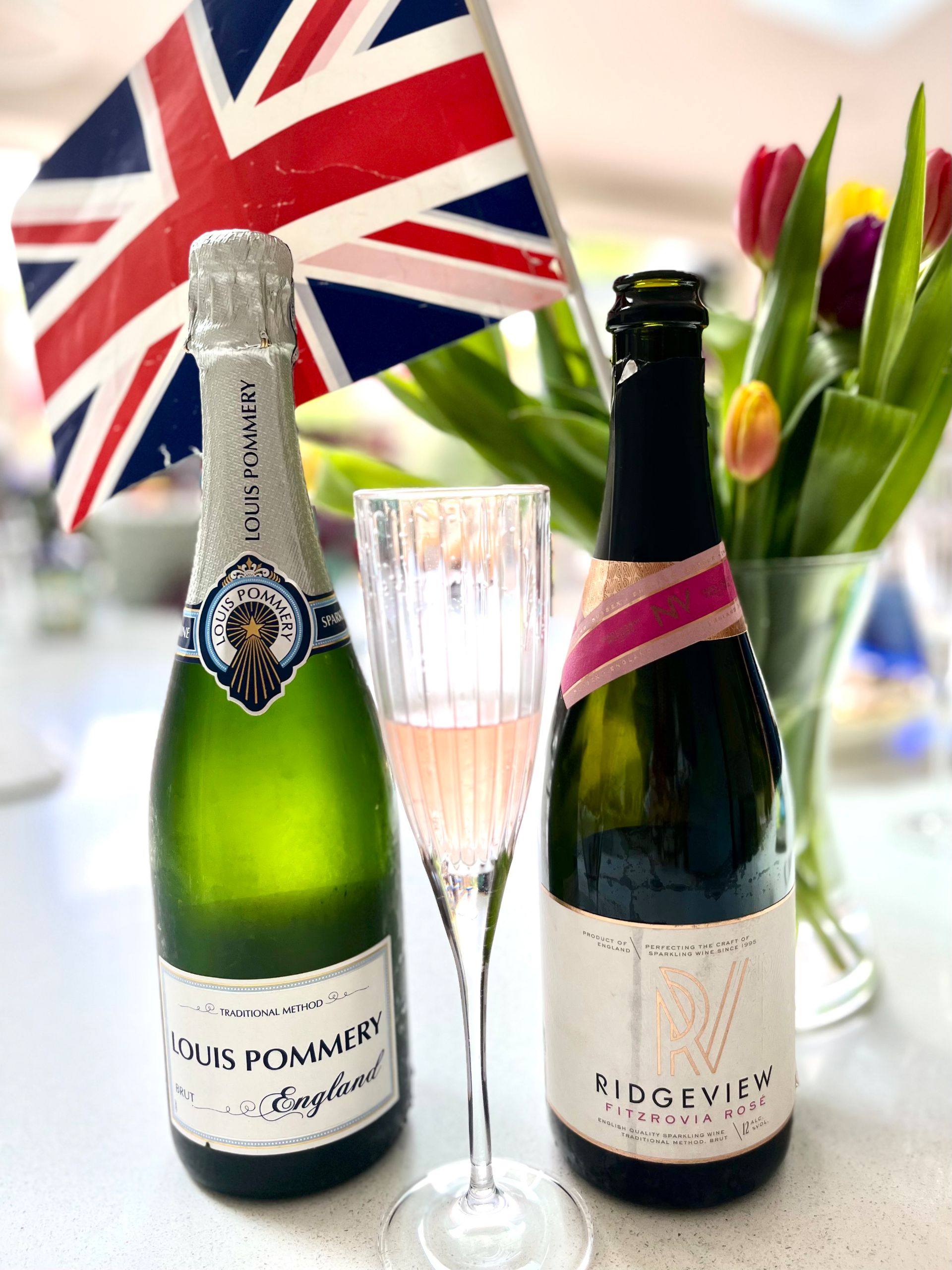
English sparkling wine has enjoyed a remarkable rise to fame over the past few decades. Once considered a niche curiosity, our fizz is now found on Michelin-starred wine lists, served at royal celebrations, and increasingly chosen as a premium alternative to what many local producers prefer not to be compared to - Champagne.
Yet for many consumers, one question remains: why is English sparkling wine so expensive, and is it really worth the money?
With our top sparkling often priced between £30 and £60, and some prestige bottles costing considerably more, English sparkling wine is a premium product, presiding the top shelf these days.
So, is English sparkling wine worth its premium price tag? Let's uncork the debate…
Why Is English Sparkling Wine So Expensive?
To understand the price of English sparkling wine, it helps to understand where it comes from and how it is made.
Firstly, the where – land in England isn’t cheap, nor is our labour.
Add to these high duties, VAT, the increasing cost of bottles, energy and transport and we are already starting on the back foot without even having planted a vine.
There are also unique challenges with growing grapes in England. Cool climate viticulture is unpredictable; every vintage is different. We usually get late frosts, cool summers, and lots of rain – meaning yields are often lower than in warmer regions, and our normally wet climate means vineyard management requires significant, on-going investment.
The vast majority of premium English sparkling wines are produced using the ‘traditional method,’ the same labour-intensive, hands-on process used to make sparkling wine in Champagne. This involves hand harvesting, a second fermentation in the bottle, extended ageing on the lees (dead yeast cells), and significant storage costs before the wine is released for sale.
Unlike still wines, which can often go to market relatively quickly after harvest, English sparkling wines require years of patience. Most of England's finest sparkling wines spend at least three to five years quietly ageing before they see a shop or cellar shelf.
And keep in mind, for the most part, English sparkling wine is made on a much smaller scale compared to the large household names in Champagne (we only produce around 10% of all of Champagne each year), which makes our small-batch wines more expensive per bottle to produce.
In short, English sparkling wine has a higher price tag because it is expensive to make.
How Does English Sparkling Wine Compare to Champagne?
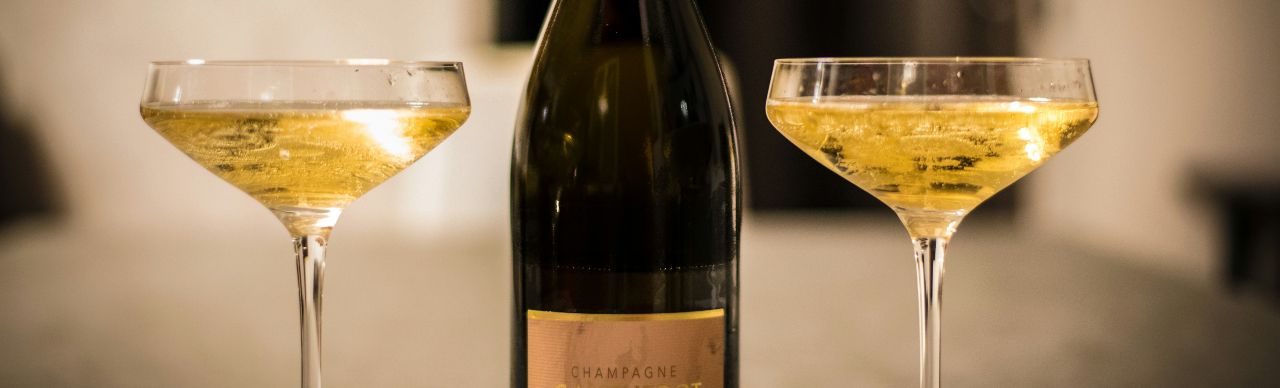
Whether we or our producers like it or not, comparison between English sparkling wine and Champagne is inevitable. Usually based on similarities of geography, climate, soils, and production method, whilst many English vineyards, who focus on traditional method sparkling wines, are planted with the same grape varieties in Champagne - Chardonnay, Pinot Noir, and Meunier.
What often surprises consumers is how the best English sparkling wines perform in blind tastings, many beating their Champagne counterparts.
But let’s stop the direct comparison - our sparkling has a certain Englishness about it, due to our cooler maritime climate (compared to Champagne’s slightly warmer continental climate) one of the distinct differences between the two regions, lending our English sparklings to show notes of salinity with a crisper, fresher edge, and more green apple compared to red apple in flavour, especially on the Blanc de Blancs, but that may just be my palate.
The biggest difference is not quality. It is perception.
Champagne benefits from centuries of heritage, global prestige, and powerful branding, not to mention many years’ worth of reserve wines for blending. English sparkling wine, by comparison, is still building its reputation despite producing wines of exceptional quality, and that’s with a lot fewer reserve wines in storage for our non-vintage and multi-vintage cuvées.
What Are You Paying For?
When you buy a bottle of English sparkling wine, made via the traditional method, you are paying for more than just the liquid, mostly you’re paying for time and craftsmanship.
You are investing in:
- Cool climate viticulture expertise and investment
- Limited yield and production volumes
- Hand-harvested fruit
- Traditional method production (second fermentation in the bottle)
- Extended ageing needing careful storage
- Small batch production – meaning more attention to detail
Many consumers also love the idea of supporting local producers and reducing the distance their wine travels before reaching the glass – the carbon footprint on an English wine is worth the investment.
For anyone interested in sustainability, provenance, and our local food scene, English wine offers it all.
Is English Sparkling Wine Better Than Champagne?
I get asked this a lot – but this is perhaps the wrong question. Wine is subjective, and it depends on the Champagne you are comparing it to, so there is no definitive answer.
Champagne often delivers richness, complexity and prestige that come from centuries of experience and established house styles.
English sparkling wine tends to showcase vibrant acidity, freshness, precision, elegance, and that touch of salinity I mentioned before.
Rather than asking whether English sparkling wine is better than Champagne, it may be more useful to ask whether it offers a different expression of traditional method sparkling wine.
If you’re comparing apples for apples, or grapes for grapes in this instance, paying £50 or thereabouts for an English Sparkling Wine is on the upper echelon of the category, whereas this would be an average price for a Champagne House NV cuvée. And comparing the price of a small English sparkling producer to a large-scale global producer in Champagne is definitely not grapes for grapes.
The Rise of English Wine Tourism
One of the most exciting developments over the last decade has been the literal explosion of English wine tourism.
With hundreds of vineyards opening their cellars to visitors across the country, more of us are developing deeper connections with producers and understanding the blood, sweat and tears that go into making every bottle.
That lived experience can make the price of English sparkling wine feel much easier to understand. And considering the number of single-estate vineyards and wineries in the UK, where all the grapes are grown and made into wine on site, for many consumers, wines purchased from a producer directly offer a promise of quality, authenticity, and a sense of place.
So, Is English Sparkling Wine Worth It?
The answer depends on what you value.
If you are looking for the cheapest sparkling wine, then no. There are many more affordable options available.
If you are looking for a premium sparkling wine crafted via the traditional method, with genuine quality credentials and a distinct sense of place, then English sparkling wine is your go-to. It’s also the best conversation starter at a party, and a showstopper for any celebration.
For me personally, it’s always a proud moment to present an English sparkling to friends and then yarn on about the story behind the bottle, how it was made and who made it – and catch them just before they drift off to tell them the bottle came from ‘up the road’ which usually stuns them back to life again.
Today, we are all so lucky to be part of one of the most exciting wine regions in the world, the best English sparkling wines now stand alongside some of the world's best sparkling - yes, they may not carry the same global prestige as others, but they are proving that quality and reputation do not always develop at the same pace.
The real question is not whether English sparkling wine is worth the price. It is whether consumers have fully caught up with just how far English wine has come and the integral role they are playing in its exciting legacy.