A Türkiye Wine Journey - Cappadocia
When people say Türkiye is a land of extremes, I believe them - I’ve been to Cappadocia.
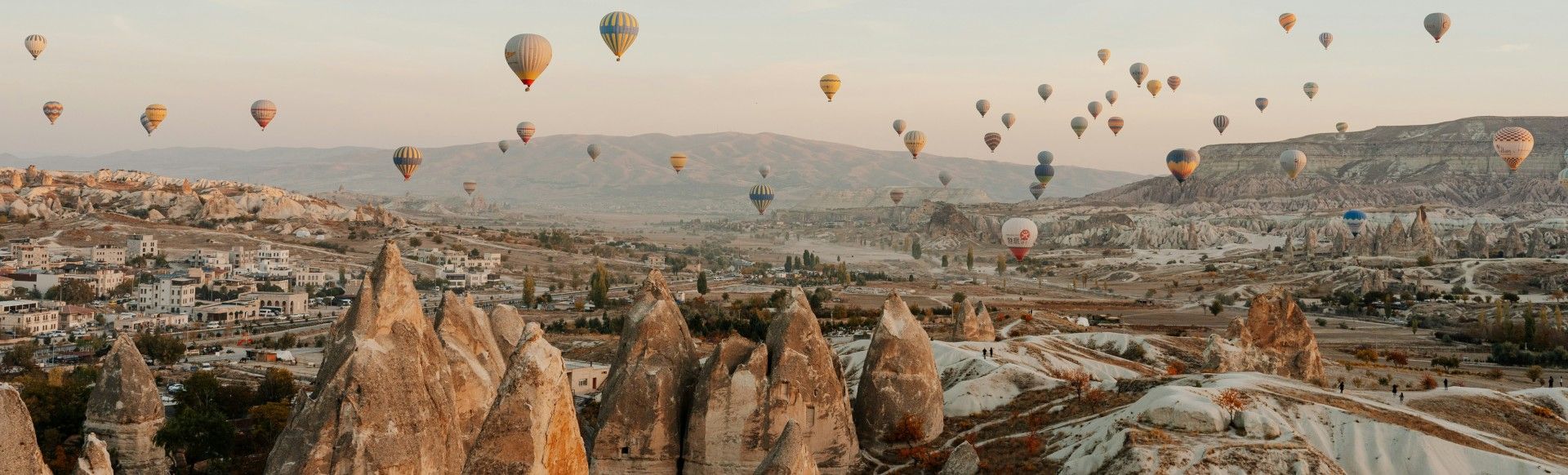
Flying over central Türkiye feels like being a scout for a Star Wars film set - think ash-white plains, fairy chimneys, snow-capped volcanoes, ancient cave cities and, at sunrise, thousands of colourful balloons drifting across a lunar landscape.
It is also home to one of the world’s oldest wine routes.
Only a year ago, I had no idea that Cappadocia, or even Türkiye, was home to boutique wineries and wine trails, where innovative producers craft wines from indigenous grapes, most of which I still can’t pronounce. I only caught wind of this when I was asked to co-edit Turkish Wines; A Heritage Reborn - a deep dive into the incredible wine culture of Türkiye, through the eyes and life of one of Türkiye’s most inspiring producers, Oluş, and her wines at Vinolus in Cappadocia.
Dive into the past
Many are unaware that, alongside Georgia and Armenia, Türkiye is part of the original cradle of wine. And Cappadocia, at the heart of Central Anatolia, is one of the world’s most ancient wine regions. As a key crossroad on age-old trading routes, wine has been central to the region’s culture for over 7,000 years.
One civilisation to call Cappadocia home also happens to be wine history’s best-kept secrets: the Hittites (1600-1180 BC), possibly the world’s first true wine empire - their tablets narrate grape cultivation, winemaking and even early wine laws. And their legacy still permeates across the region, echoing in wine cellars carved deep into Cappadocia’s caves, later used by Romans and Byzantines.
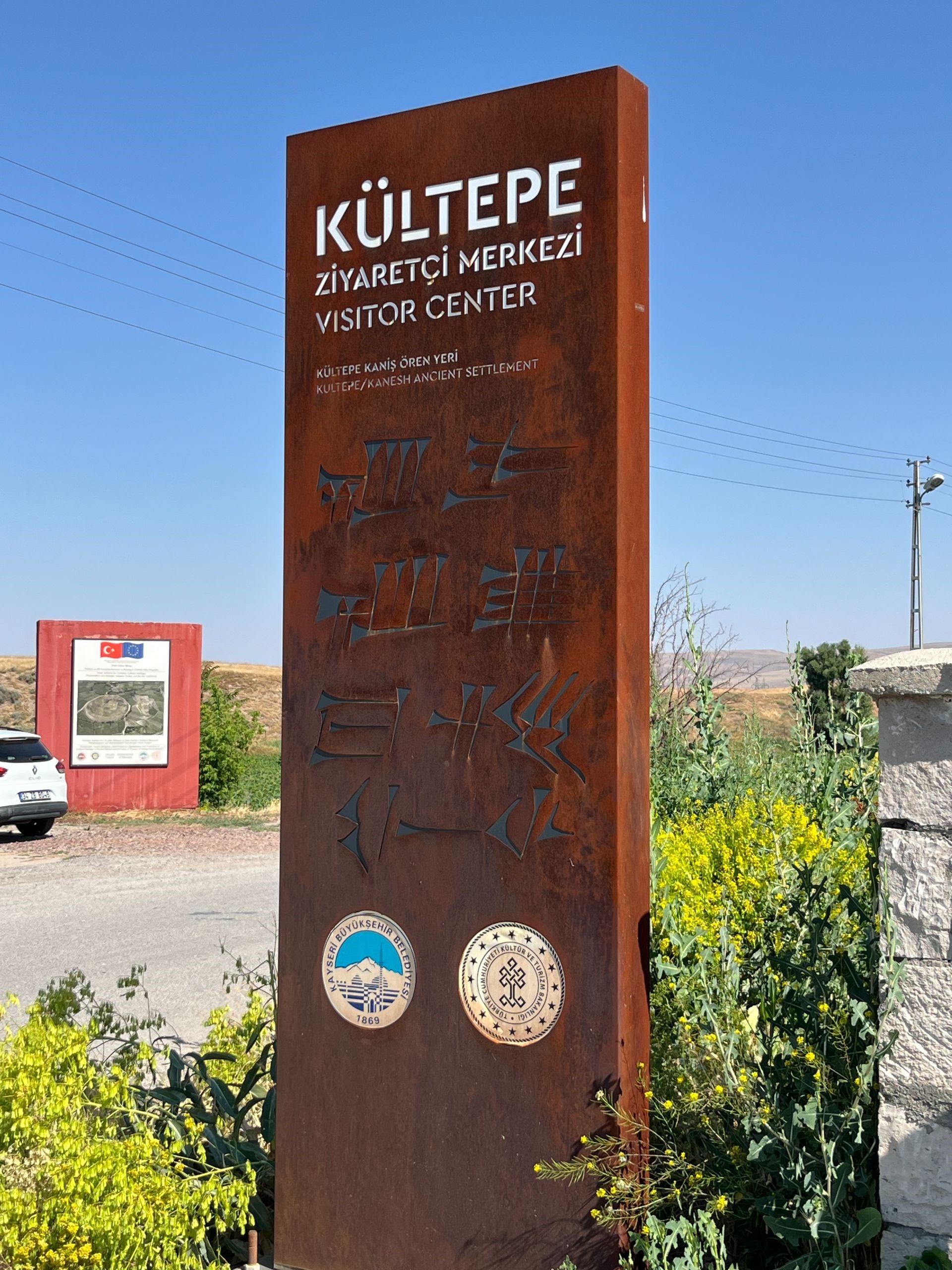
The area is also home to Kültepe, an earlier Assyrian trading hub and important Bronze Age site (2000-1700 BC). Here, archaeologists have uncovered wine cups, grape reliefs and clay tablets describing grape trade and harvest celebrations. Today, this vast archaeological site buzzes with researchers from around the world. If you’re tempted to channel your inner Indiana Jones, Kültepe is a must-visit.
Türkiye’s modern wine story
It was a surprise to me to find out that Türkiye is the world’s fourth-largest grape producer, yet only about 3% of those grapes become wine, placing the country in 36th place globally (producing around 90 million bottles a year). Add a ban on alcohol promotion and a population of whom many seem to have forgotten their own formidable wine history, and it is all the more impressive that Türkiye has earned over 1,000 medals at the Decanter World Wine Awards since 2004.
Despite its ancient roots - and a handful of commercial wineries dating back to the 1930s and ’40s - Türkiye’s modern wine era is young. It’s only in the last couple of decades that investment, technology and quality have experienced a boost. Today, more than 100 wineries are scattered across the country, many small, independent and boutique. This country is serious wine territory - home to over 1,400 indigenous grape varieties, often grown on old, ungrafted bush vines. International varieties thrive too, but it’s the local stars that shine brightest, favourite examples being the white varieties such as Emir (from Cappadocia), Narince and Gök and black grapes, Kalecik Karası, Patkara, Öküzgözü and Boğazkere. Each uniquely characteristic yet bang on point for the international palate.
When it comes to wine tourism, there are around eight unofficial wine regions in Türkiye, each with its own microclimate and central hub. Moving clockwise from Istanbul we can find vineyards in high-elevation sites of Thrace (closest hub being Istanbul), the rugged Black Sea, continental Eastern and South-Eastern Anatolia, Central Anatolia (home to Cappadocia), the warm Mediterranean south (close to Antalya, Bodrum and Dalaman), the Aegean, with the country’s most renowned wine routes around Izmir and Urla, and finally the Marmara region.
The wine region of Cappadocia
I’ve obviously arrived late to the Cappadocia party - scratching my head over how this barren moonscape sustains vineyards at some of the country’s highest altitudes, producing premium, minimal-intervention wines. I was ready to be enlightened.
A UNESCO World Heritage Site, Cappadocia is best known for Göreme National Park, its rock-cut wonders, its fresh produce and gastronomy - recently recognised by the Michelin Guide. With the arrival of a new Michelin Guide for wine, further acclaim for this unique region may be just around the corner.
As a wine destination, Cappadocia offers ancient history and culture, both woven through its geological rock shapes, exceptional cuisine and, of course, wine. Knowing that Bronze Age traders once enjoyed a glass (or ceramic mug) or two of wine here, could this also be the world’s most ancient wine route?
You have to be tough to make wine here. This cool-climate region sees bush vines clinging to white ashen volcanic soils at high altitudes. Winters are brutal (down to -20°C), summers scorching (over 40°C), rainfall scarce and everything is done by hand.
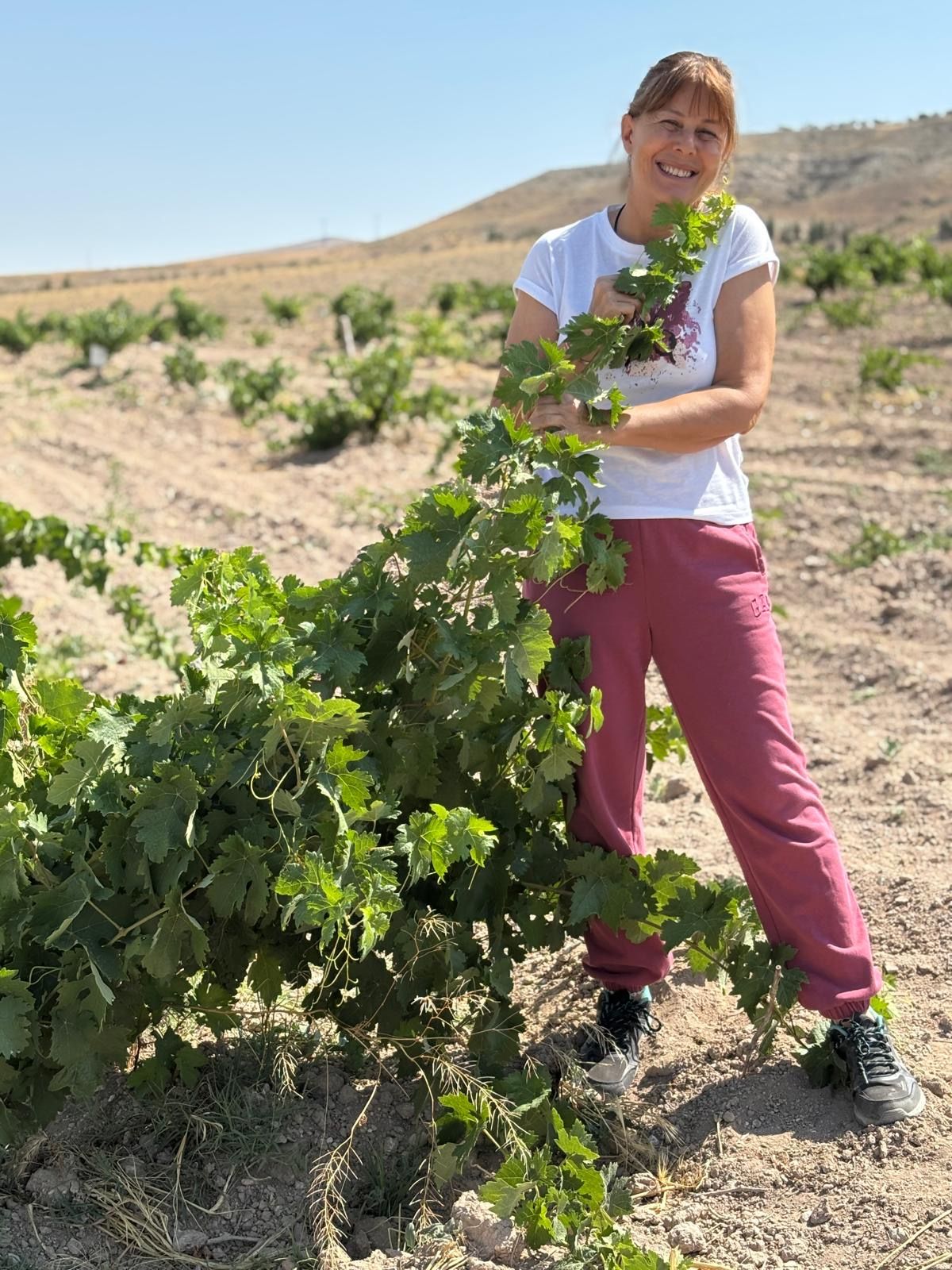
Having pivoted her family farm into a vineyard in 2007 and created her wine brand, Vinolus, followed by opening a vineyard hotel in 2020. Oluş is a bit of a local celebrity and role model in Cappadocia, leading multiple projects to reignite interest in Türkiye’s viticulture and wine culture, including founding the Organic Producers Association of Cappadocia. Walking around her vineyard alongside Oluş, she shrugs off my concerns about the dust, the snow, the heat, low yields and even lower domestic consumption. Kneeling in the dry white soil to cradle my first Turkish vine, it all feels ancient, ethereal, and back-breaking.
Today, Vinolus is a beacon for experimental, small-batch organic wines, championing indigenous varieties for the international palate. Alongside a handful producers, Oluş is putting Cappadocia back on the global wine map.
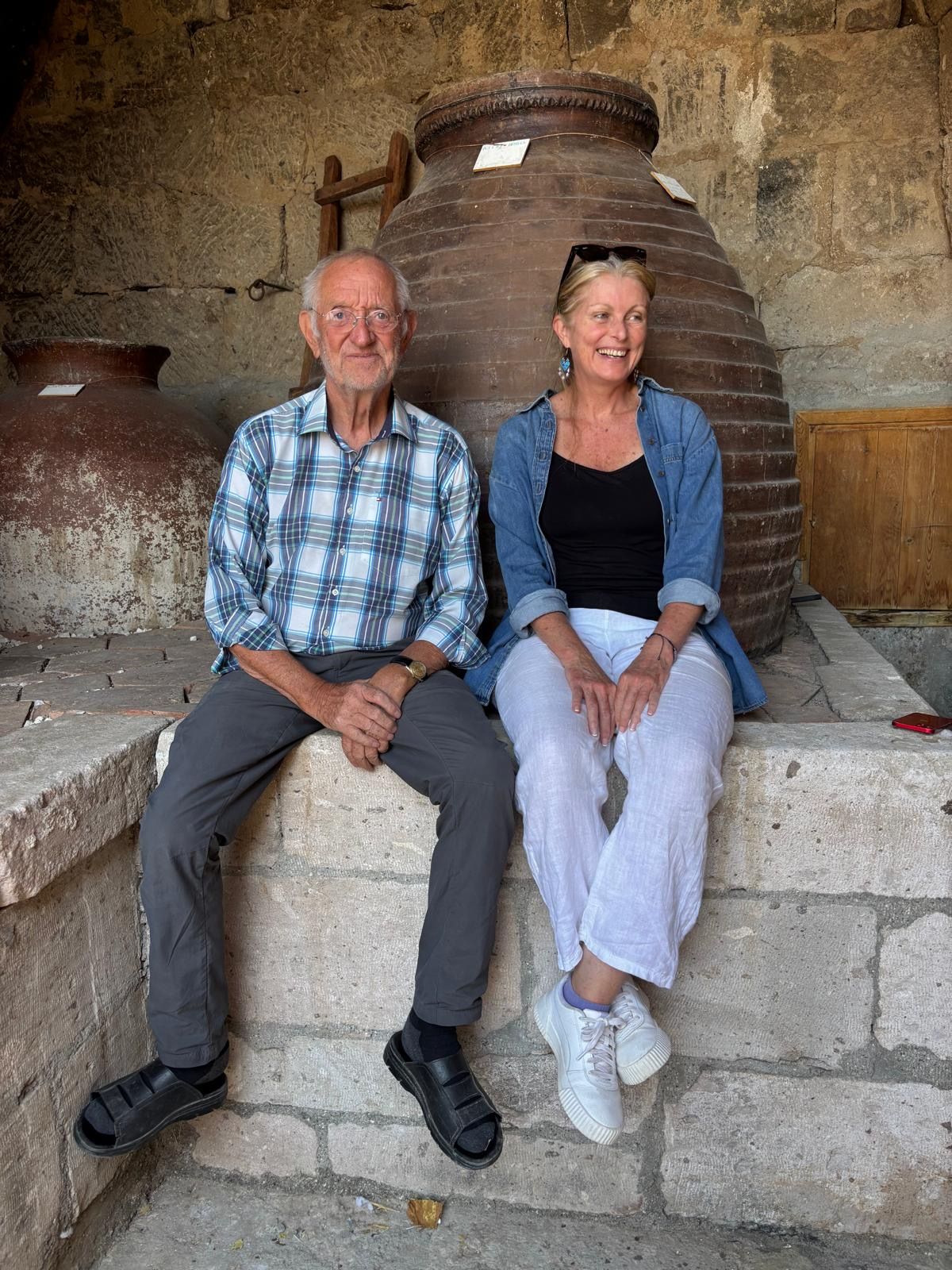
Climbing higher to 1,500 metres above sea level, we visit German-born producer Udo Hirsch at his boutique winery, Galveri. Named after the village’s original Greek name, this is rural Türkiye as I imagined it: cobbled streets, white washed houses and views of volcanoes. Arriving via Georgia, Udo and his wife Hacer built a winery beneath their home here, where today wines mature in ancient amphorae buried deep below their feet in caves carved millennia ago.
Udo’s grapes, sourced from small village plots at some of the world’s highest altitudes, are Indigenous, many rare and recently rediscovered, thanks to Udo. These vines are treasures in themselves - mostly pre-phylloxera, fully organic, with some over 100 years old.
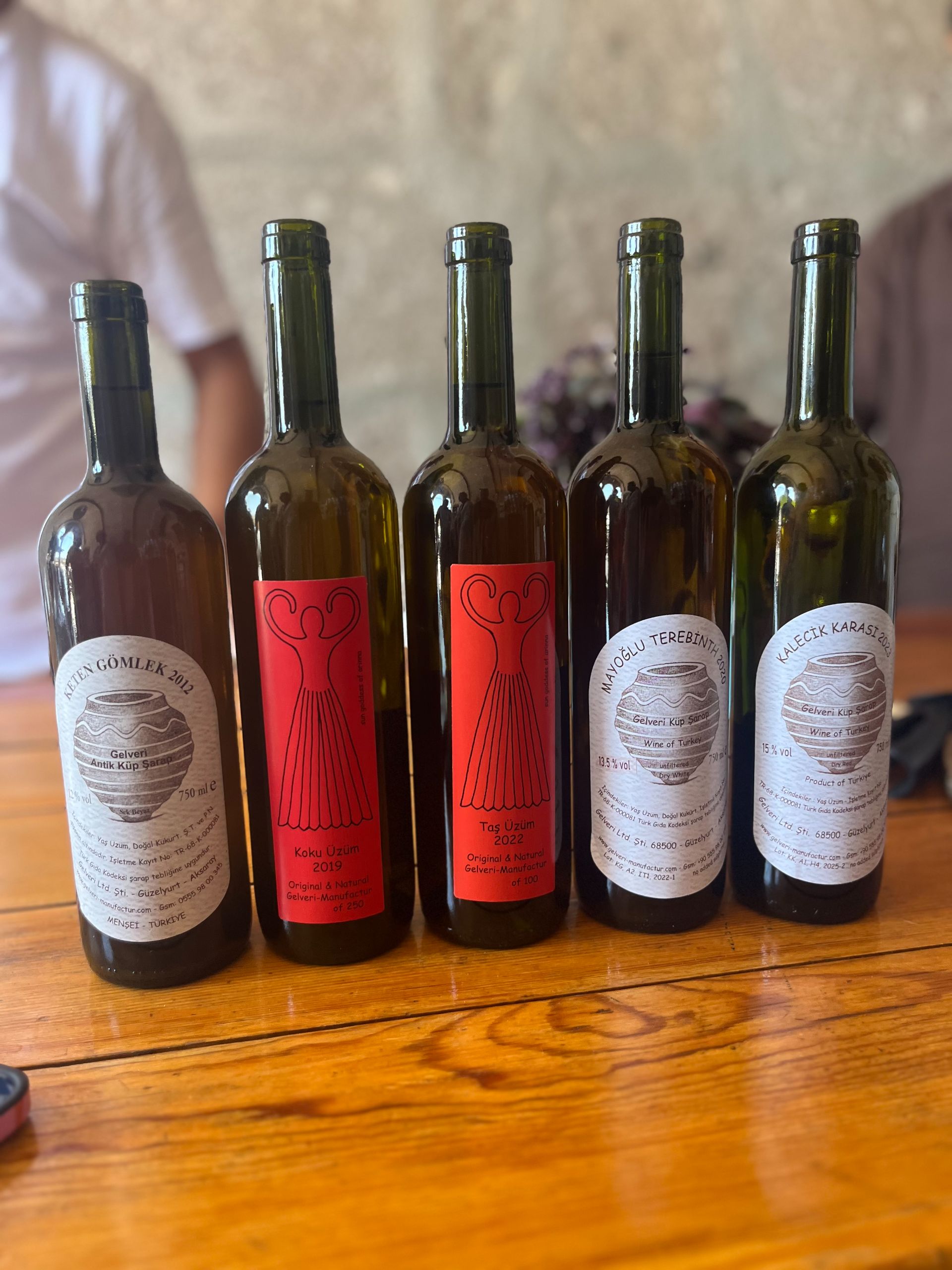
Focused on supporting local growers and reviving abandoned vineyards, Udo’s wines are predominantly field blends from grapes unknown outside Türkiye, with memorable, descriptive names when translated - such as Keten Gömlek (linen shirt) and Kızıl Üzüm (rusty grape). Like many producers here, you arrive for a glass and stay for a few hours, sharing local delicacies and age-old stories, welcomed like an old friend. It soon becomes clear you’re in the presence of one of the world’s leading natural winemakers. Wild-fermented, unfiltered and unapologetically funky, his wines are the epitome of terroir.
I recently found a wonderful tasting note on the Jancis Robinson website for Udo’s red wine, Kalecik Karası: “This smells a little wild; a little like it was made in the path of the wind, like wild raspberries growing between rocks. It has heart and soul and is singing gypsy songs and is fey and utterly, utterly beautiful. A wine with roots, earth, sky, rain, rocks, and soul. Tannins that feel like torn silk and autumn leaves.”
Enough said.
For contrast, we visited the more recent, modern S’narin Vineyard, where indigenous varieties such as Emir, Kalecik Karası and Öküzgözü are crafted into wine by founder Senar Sümer Çalışkan. Another small producer, it’s all about craftsmanship and quality, best enjoyed at her elegant cellar door on the banks of the Kızılırmak (Red) River.
The future
The challenges facing Türkiye’s wine producers are complex, shaped by politics, religion, climate, markets and social change. Revitalising Türkiye’s wine culture, its old vines and indigenous varieties rests in the hands of dedicated producers like Oluş, Udo and Senar, alongside organisations such as Heritage Vines of Turkey and the Wine Bridge of Turkey
Encouragingly, Cappadocia has recently joined the Iter Vitis Wine Route under the European Council’s Cultural Routes programme, celebrating traditional techniques, vineyards and local heritage while nurturing sustainable wine tourism.
Here’s to a future of exploring ancient wine routes, timeless wines, and the stories they awaken within us.