My stomping ground many moons ago was Padthaway, my boyfriend at the time being a budding wine maker from the region. But that was before my obsession with vines and wine, so I confess my memory for the region was slightly fuzzy on a recent visit. Yet, as we drove down down the long Riddoch Highway from Padthaway to Penola alongside mile after mile of rolling green vines, framed by sweeping gum trees, dotted with federation homesteads, magical memories flooded back.
Where in the world are we?
To the south of Padthaway, the wine region of Coonawarra is found half way between Melbourne and Adelaide (around four hours’ drive from either city), the closest airport being Mount Gambier (50 kms away).
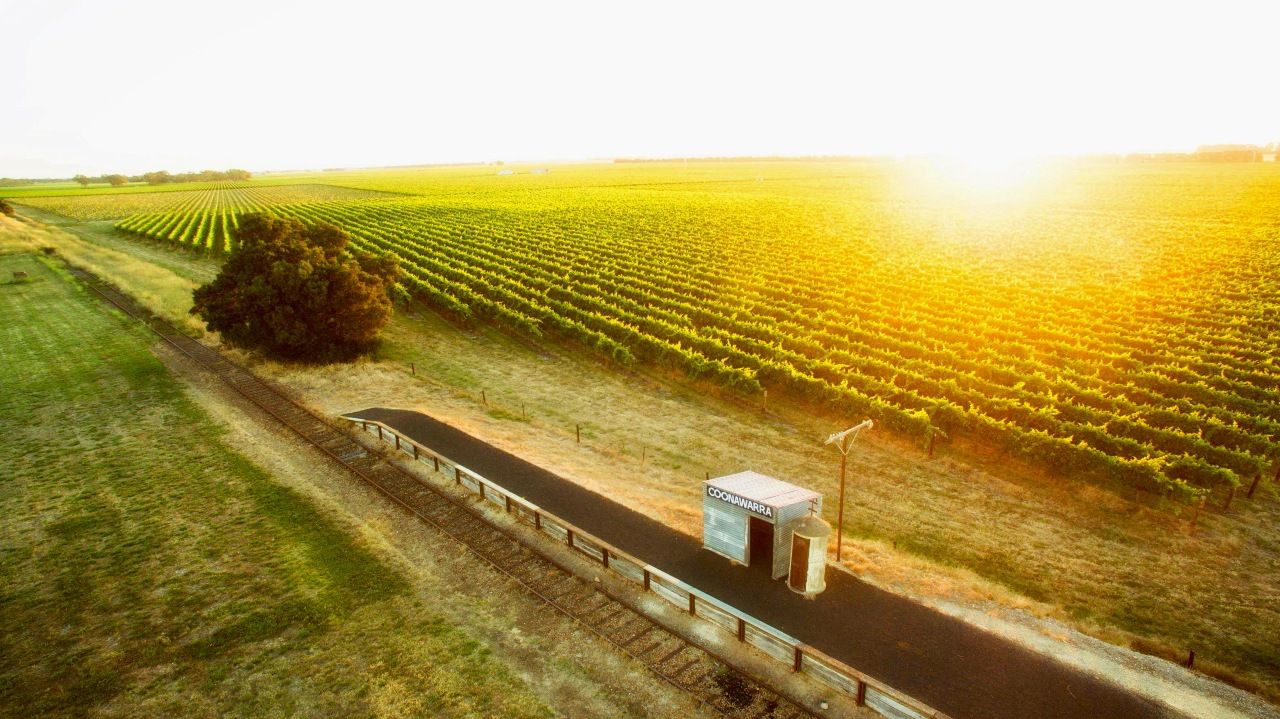
Coonawarra is a slip of a wine region measuring approximately 27 kms long and 2 kms wide with the small village of Coonawarra in the middle; and its main stopover point - Penola - at its most southern point.
Moderated by cooling winds from the Antarctica via the Southern Ocean, Coonawarra is a cool climate wine region, with long, fresh maritime ripening conditions.
Known for …
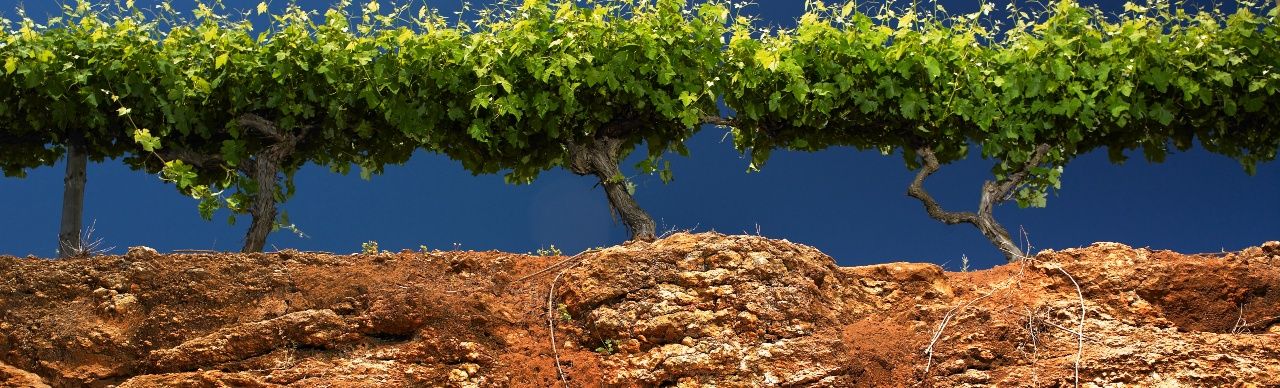
Red soils: Coonawarra is famous for its red ‘terra rossa’ soils - matching its vivid red wines. Being on the Limestone Coast of South Australia, the free draining ancient limestone underneath acts as a sponge when it’s dry and a sieve when it’s wet.
Red wines: This is Australia’s leading Cabernet Sauvignon producing region, offering premium, collectible wines, that cellar well and last for decades.
Wine Making History: The pioneering fruit farmer, John Riddoch was the first to plant vines in Coonawarra in the 1890s, however, it was in the early 1950s that the region took flight, with David Wynn purchasing Riddoch’s property and establishing the now-world renowned Wynns Coonawarra Estate.
Key varieties grown / styles of wine…
Making up around 90% of production, this is red wine country. Until the 1950s, Shiraz was the key black grape grown, but today Cabernet Sauvignon is the star of the show (now approximately half of all plantings), followed by Shiraz, Merlot, and a small production of whites led by Chardonnay, Sauvignon Blanc and Riesling.
New, young wine makers are starting to move away from the previously full bodied, high alcohol styles of reds found in the region, creating more delicate, complex wines. What makes Cabernet Sauvignon from Coonawarra distinct are its aromas of cassis with minty eucalyptus notes. And nearly, but not all Shiraz tend to be blended with Cab Sav or Merlot.
Some whites are coming through too, go north and you’ll find some cracking barrel aged Chardonnays.
Producers to watch …
There are just over 30 wineries in Coonawarra, with around 20 cellar doors open for visitors, led by the big guns of Wynns and Katnook.
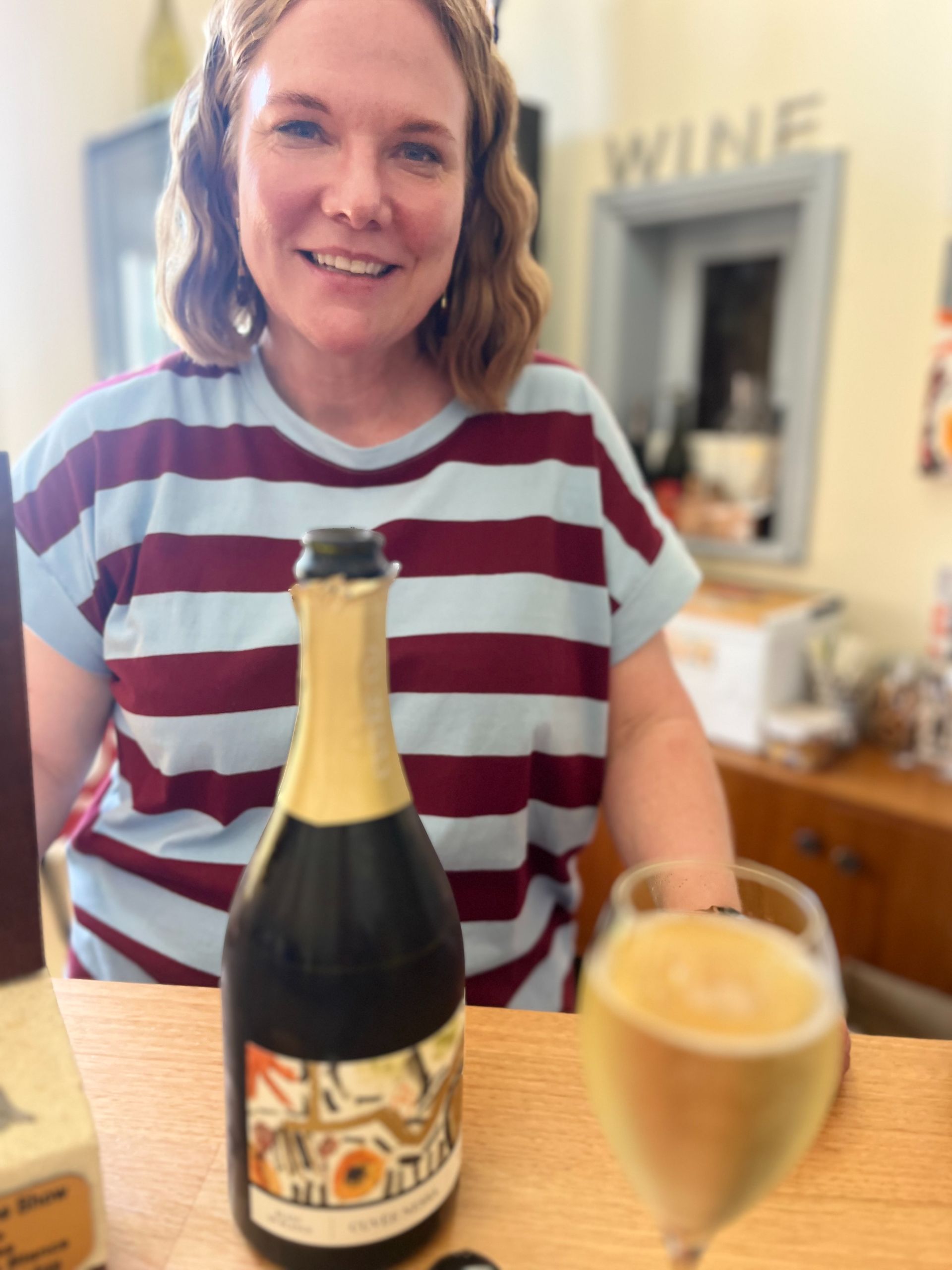
Smaller, lesser known producers are emerging such as Peta Baverstock, the winemaker behind Cuvée-Co Wines, which she launched in 2018. Peta has created a little wine hub - called Popo - in Penola’s Old Post Office. Open on Friday afternoons, it’s buzzing with locals enjoying her wines and company, and it's a treat to visit. Peta is all about sparkling wines - made from fruit from across the Limestone Coast, she creates six styles of sparkling, from Charmat, to traditional method chardonnay and pinot noir blends, as well as a Blanc de Blancs. Peta is a bit of an icon in these parts, having spent time at Bollinger in the early 2000s, she’s been featured in the Top 50 Young Gun of Wine Awards and won Best Young Wine of Show twice (in 2021 and 2024) at the Australian Sparkling Wine Show. So yes, I was a tad giddy meeting her in person.
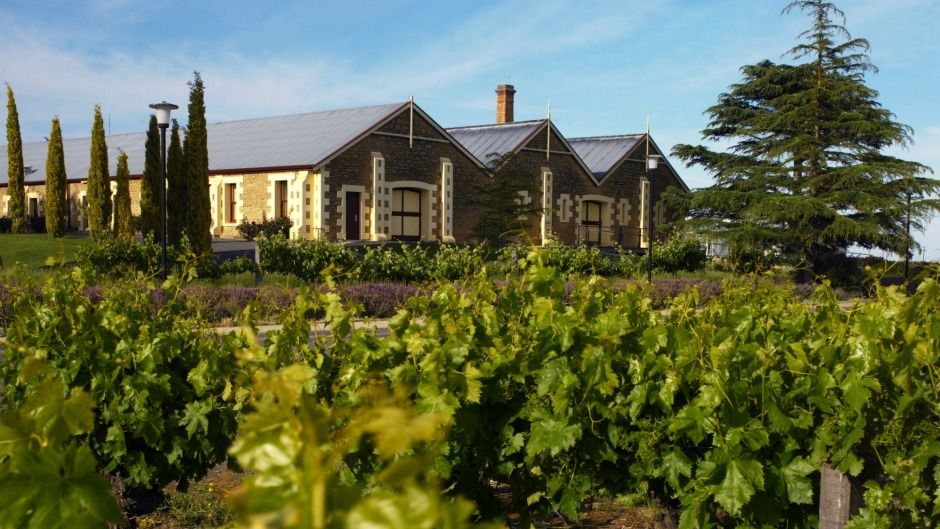
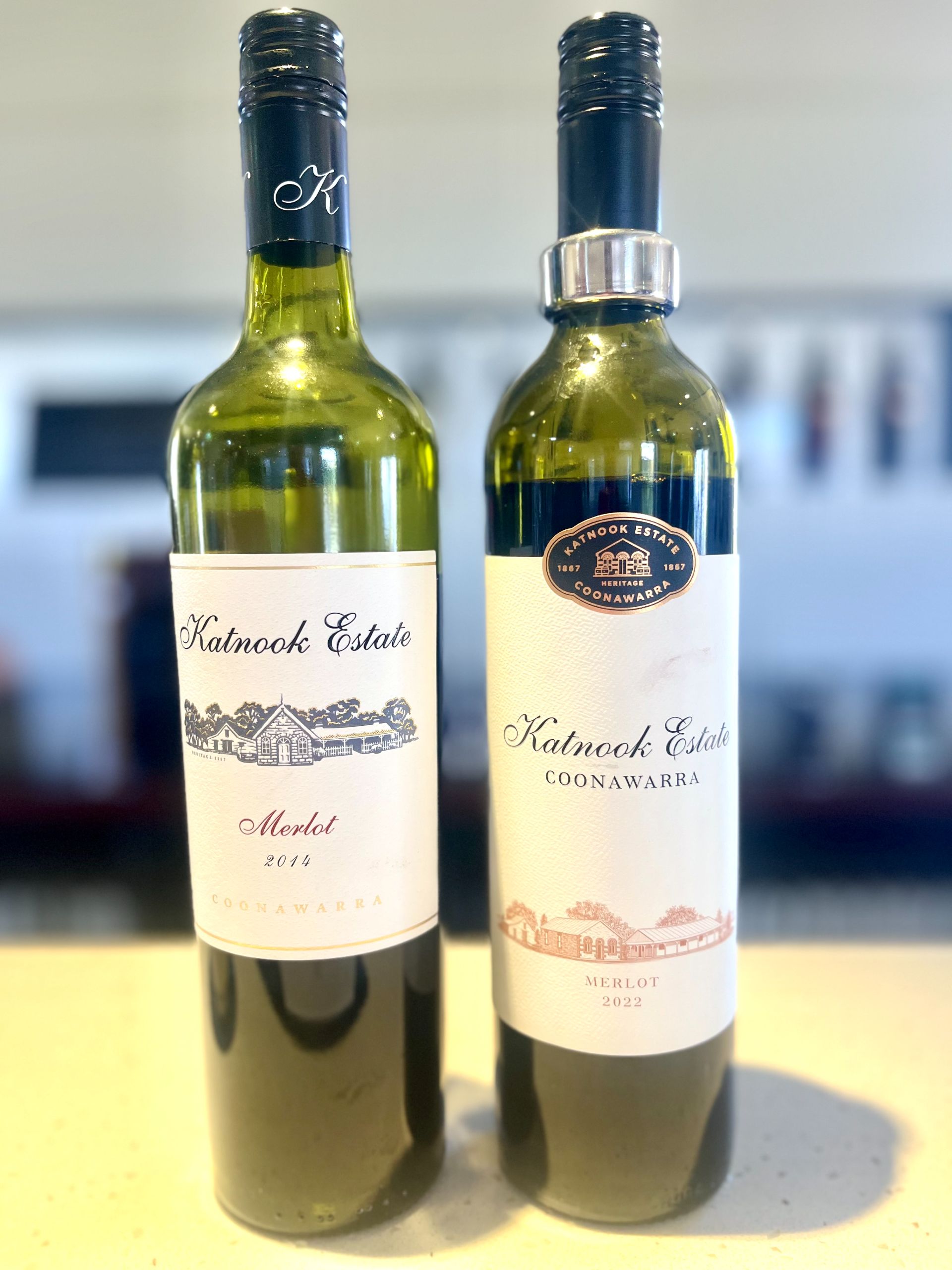
One of Coonawarra’s oldest producers, Katnook’s first vintage dates to the 1890s under John Riddoch, though the modern winery has only been commercially producing wines since the 1980s. In the beautiful surrounds of the renovated historical building (once used by John Riddoch to make his wine), now the cellar door, we tasted the 2023 Estate Chardonnay - six months in French oak, it had a delicate, candied aroma and a wonderfully textured palate. Tasting the 2014 Merlot alongside the 2022 vintage was a showcase of the region’s stylistic evolution, the older wine richer and more oaked, the younger more subtle and complex. The standout for me was the 2022 Prodigy Shiraz, smooth and multi-layered, and super textured from two years in primarily new French oak.
Probably the region’s best-known winery, Wynns is home to some of Coonawarra’s oldest vines and its largest vineyard.
A founding family dating to the early 1900s, Redman is second only to Wynns in one of the region’s original pioneers. The cellar door is understated but worth visiting, especially as you’re likely to meet one of a family member serving your wines.
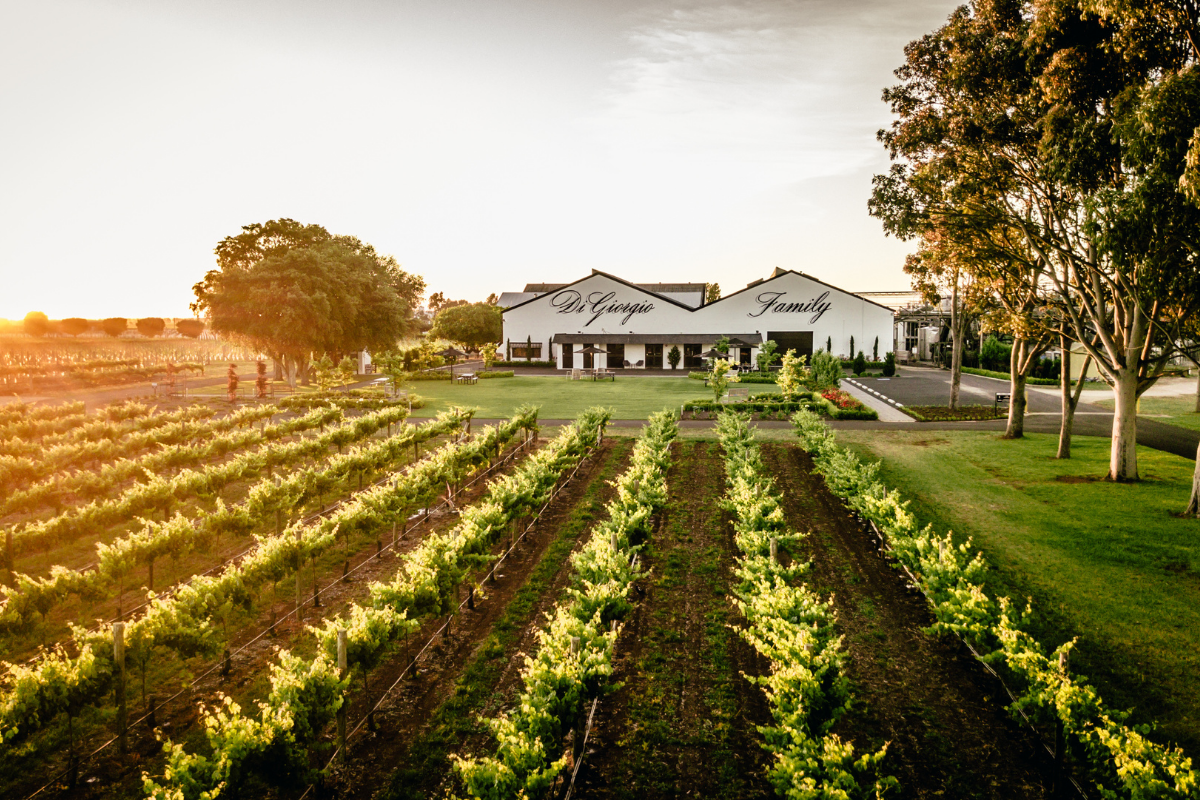
Renowned for century-old vines, Di Giorgio produces a mix of French and Italian varietals, including still, sparkling, and fortified wines.
This is a producer that I’ve tasted wines of in the UK, making consistently good reds. This is also one of the more modern cellar doors in the region, overlooking a dam and rose gardens.
Is Coonawarra worth a visit?
Coonawarra has to be up there as one of Australia’s most internationally-renowned and celebrated wine regions. Hence the anticipation to explore the region was at an all-time high.
Cellar doors are easy to visit, they are all close to each other, and most offer free tastings, or at least your tasting fee back if you purchase some wine. There is also a five-kilometre Coonawarra Wineries Walking trail that covers several cellar doors – including Redman’s Wines and DiGiorgio Family Wines, Wynns and Zema Estate, amongst others.
But for all its shiny accolades, Coonawarra is also a small wine region, and is not close to any major town or city – which leads to my personal bug bear - the lack of infrastructure, primarily accommodation and dining offerings, especially if you want to explore the region over a few days.
There are a few Airbnbs and motels such as Alexander Cameron Suites, where we stayed, and I’ve heard The Menzies Retreat at Yalumba and The Winemakers House at The Blok are worth checking out. But restaurants are few and far between, yes a few cellar doors offer lunch, but (when we visited), the only place to have dinner was at the quintessential Aussie pub, The Royal Oak in Penola, as the one decent restaurant in town, Pipers of Penola was fully booked (the website is still taking bookings at the moment, even though I heard on the grapevine that it is sadly closing down soon).
It may be my own opinion, but I feel it’s a bit of a sad state of affairs for one of the world’s most exciting, and highly regarded wine regions.
Who would this region suit?
Wine connoisseurs who are willing to drive the distance and not have too much infrastructure when they get there. I suggest renting an Airbnb, buying some of the region's fabulous wines and cooking dinner yourself for at least one night, if you plan to spend a few days in the region. Unless you want to, you do not need to book any tastings ahead of time, but check out the dining options at the vineyards and in Penola, as you may need to pre-book those.
Fun facts about Coonawarra
The red soil is actually a layer of weathered limestone clay that gets its colour from iron oxide.
Many of the cellar doors in the Coonawarra Region are family run, with tastings usually hosted by the winemakers themselves, which makes for an inspiring tasting.
The Limestone Coast is also home to the Naracoorte Caves, one of the world’s most important fossil sites – including marsupial lions (dating back 800,000 years)
Coonawarra means “honeysuckle” in the local indigenous language, named by European settlers as they found the region was rich in native flora, including sweet-scented flowering plants that reminded them of honeysuckle.
For more information please visit: https://coonawarra.org/
Key images kindly provided by Coonawarra Vignerons.