
If there’s one wine brand that demonstrates the power of storytelling, consistency, and premium positioning, it’s Penfolds.
There’s a special aura around the Penfolds name….if you’re invited to a Penfolds wine tasting, it’s a career milestone; if someone brings an aged Penfolds to dinner, it takes centerstage; and if you ever have a glass of Penfolds – Savour it. Slowly.
What makes Penfolds interesting from a marketing perspective is how the brand has managed to maintain its luxury positioning over the decades, whilst weaving heritage, innovation, and desire into its story.
Today, Penfolds is considered Australia’s most prestigious wine brand with an almost incomparable global appeal, but its success did not happen overnight.
Why Penfolds Works So Well
A Strong Founder Story
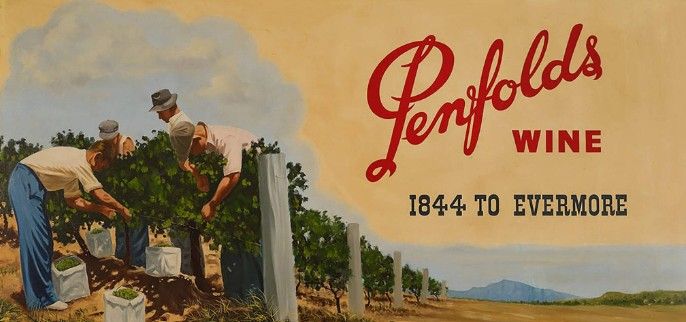
Founded in 1844 by an English Doctor, Christopher Rawson Penfold and his wife Mary in South Australia, Penfolds started its trajectory to fame initially with fortified wines created primarily for medicinal purposes. Christopher and Mary planted vines just outside Adelaide, on the now mythical site of Magill Estate, and soon their wine production, selling primarily to the then British colonial empire, outgrew their medical practice – and by the early 1900s Penfolds was the largest winery in South Australia.
This ‘origin - founder’ story gives the brand authenticity, heritage, and a sense of legacy - values customers warm to, especially at the pointy luxury end.
This also demonstrates how great marketing is rarely about the product itself. It’s about history and emotional connection. The Penfolds may not have realised it, but they were creating a powerful founder story way back then.
A Brand not afraid to take risks
For its magnitude on a commercial level, Penfolds prides itself on its innovation and experimentation. No more so than with its most famous of winemakers, Max Schubert, who in the 1950s crafted his beloved Grange, Penfolds’ most renowned label.
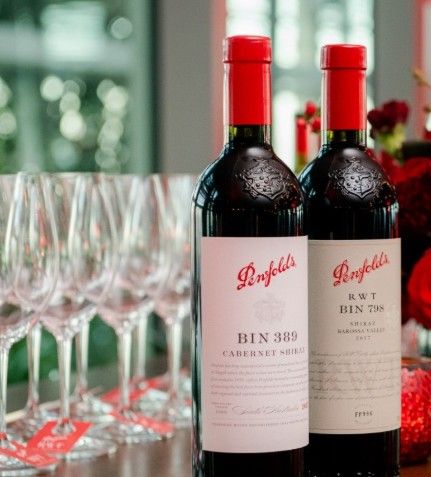
He also developed the idea of ‘Bin’ wines – where each wine has a number, reflecting where the wine was aged in the cellars, rather than which vintage it came from. Most of these ‘bins’ have remained consistent ever since, however they were all created from trialing and testing, and are usually blends from multiple vineyard sites.
Grange Became More Than a Wine - It Became an Icon
Even though Grange was inspired by long-ageing wines from Bordeaux, Max only incorporated a splash of Cabernet Sauvignon into his blend when he created Grange, showcasing Syrah (or Shiraz in Australia) as the dominant grape. Named initially after Grange Hermitage (Shiraz was called Hermitage in those days), the fly in this wine ointment was senior management and wine critics – both of which originally disregarded Grange completely.
Thank goodness Max stubbornly persevered with his legendary wine behind the scenes - and as they say, the rest is history!
This little Aussie battler story became part of its myth and mystery, and today Grange is not only a collector’s item, but its success created a halo effect for premium age-worthy Australian wine, rivalling the greats of the region it was originnally inspired by and beyond.
Penfolds Positioned Australian Wine as Premium
Talking about premiumization of Aussie wine – for many years, UK supermarket shelves (especially the lower half) were littered with basic Australian wine, mostly cheap and not too cheerful.
Penfolds changed that perception. Instead of competing purely on price, the brand focused on pillars such as Craftsmanship, Cellaring potential, Winemaking expertise, Scarcity, and Prestige. Principles many leading European wine brands are familiar with, and values that allow Penfolds to sit alongside many of.
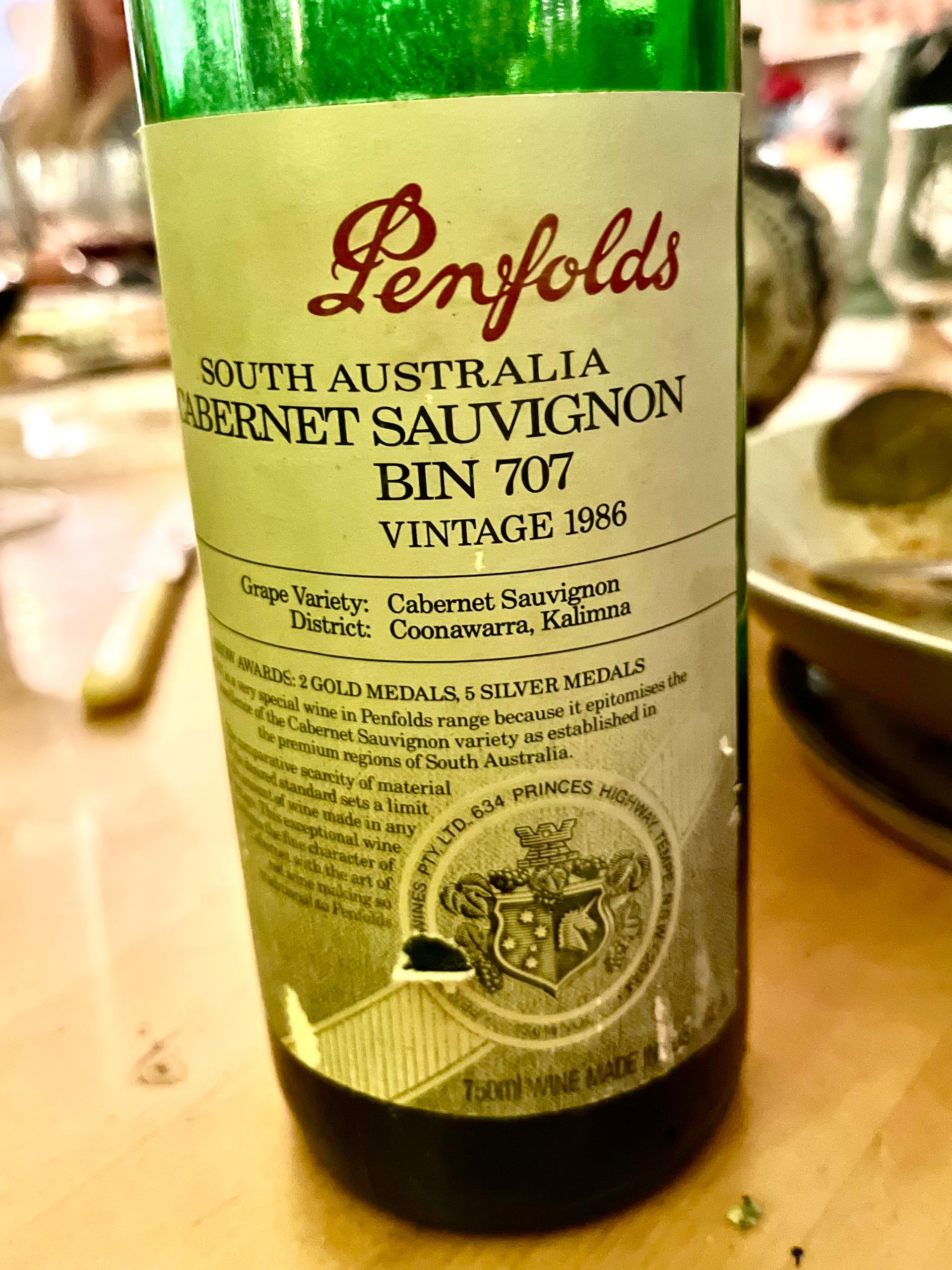
This positioning created a ripple effect not just for Penfolds, but for Australian wine globally. Today Grange and Bin 707 (which is 100% Cabernet Sauvignon) sell for the same prices as many First Growth Bordeaux wines. Spreading its wings beyond Australia, Penfold now makes wines in California and France, and styles that range from premium to more entry level, allowing Penfolds to be part of a wider demographic without losing its luxury appeal and positioning.
Consistency Built Trust
One of Penfolds’ marketing superpowers is consistency.
Luxury brands succeed when customers know what to expect, and when that is sprinkled with a touch of anticipation, magic happens.
And this is not just about what’s in the bottle – paraphrasing the famous saying: it’s the sum of its parts that beautifully make up the whole of this brand. Its visual branding, packaging, wine styles, vintage storytelling, and (for the most part) premium price have remained fairly constant over the years, all of which build customer understanding, confidence and loyalty.
Penfolds Mastered Scarcity and Exclusivity
Penfolds understood something many wineries overlook, that they cannot make everything easy to get, or available to all.
From limited releases, and luxury collaborations to strict allocations, the idea of scarcity created an emotional response derived from anticipation and exclusivity, creating an increase in media interest and export market demand, complemented by multiple awards at global wine competitions every year.
Scarcity creates conversation, and that conversation creates brand power.
PR and Third-Party Endorsement
In 1963, Grange was presented for the first time to the public, with critics giving it a huge thumbs up across multiple competitions – in fact, the 1955 vintage won more than 50 gold medals, and several vintages later received the then coveted 100 points from Robert Parker, putting it firmly on the global wine map.
Penfolds has always benefited from industry support – wine critics, sommeliers, collectors and awards have played a role in its success, it does help that the brand is a darling of the media – another superpower of the brand is its inspiring releases, insights and newsworthy stories giving the press plenty to chat about.
This clever third-party endorsement maintains and continues to raise the perception that Penfolds is a brand to take note of. The lesson here is that premium brands are often built by reputation, not by promotions.
The Bigger PR Lesson for Wine Brands...
Most wine producers assume they need big budgets to build recognition. OK, it’s taken time to do so, but Penfolds proves that a strong story, a consistent look and feel, combined with a premium positioning, supported by strategic third party relationships, can create a ton of value over time.
The biggest takeaway? People rarely buy wine purely for the drink itself
Customers buy into the story, and how that story identifies with them, the status it offers, whether the brand is trustworthy and how it interacts with them emotionally.
Penfolds is a master of all of these points. How it maintains its positioning on the world stage is yet to be seen – with customers seeking out lower alcohol, lighter styles of wine, innovation around their core pillar of Craftsmanship may be under pressure.
 |
 |